Chickens in the Philippines
Jun 4, 2026
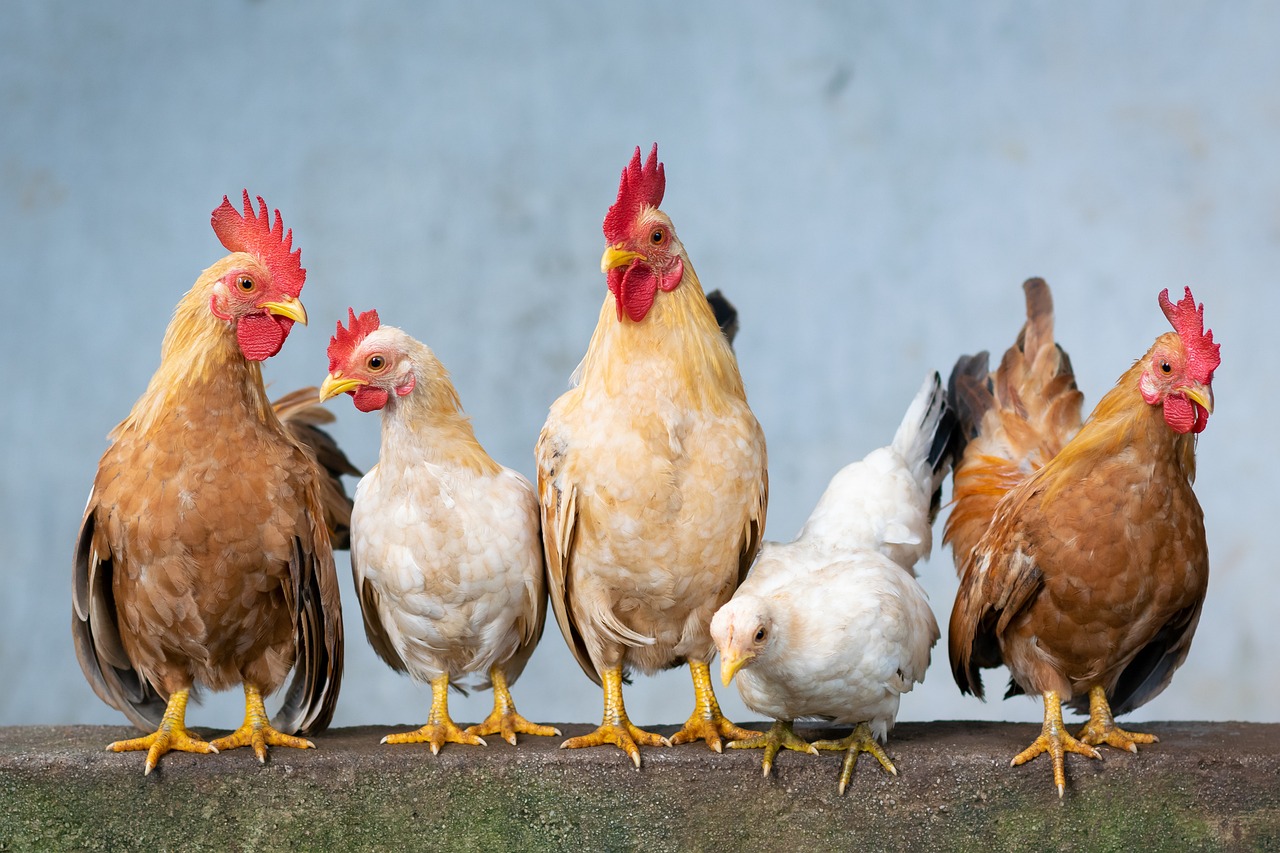
Most people don't know much more about chickens than what they put in their mouths. After all, they all taste the same when they're cooked, right? While the taste differences may be subtle, they're still there.
How a chicken tastes probably has more to do with what they eat than how they look. Some people believe those fed with chicken feed are far less tasty than those that forage for themselves.
The first time I saw anything other than a white chicken was in the Philippines, that I can remember. The only place I saw live chickens before that was at my grandmother's farm when I was young, and I really don't remember them.
I've never seen a red chicken. The plumage on roosters doesn't count. I've seen brown and black chickens, though, as they graze in and around the area where I live. People around me call one breed "White Leghorn", another breed "Cantonese", and the rest of them "native".
They're probably wrong about the "Cantonese" and I'm almost positive the native chickens are actually junglefowls. They look like a picture on the Wikipedia page. The White Leghorn is the most well-known breed of chicken. It may or may not be the best-tasting chicken breed.
People around me call the broiler chickens "45 days". I don't know why, but perhaps it's because they aren't a specific breed. They look somewhat like White Leghorns. They mature at different speeds, so 45 days is only correct for some of them.
Raising Chickens
I don't know much about city ordinances in the Philippines. They're obviously different in every city. I'm sure some places have restrictions on where chickens can be raised. Most Filipinos would simply ignore those restrictions or find a way around them.
My wife, Josie, raised chickens three times. I don't remember much about the first time, but out of 100 chickens, at least a third of them died from heat. She picked the wrong time of year or something.
The next time, I think only one was lost, and that was because it stuck its head out of the cage and a cat took a swipe at it. The cats in our compound are not pets. They're scavengers.
The last time, they started with 90 chicks. By the end of the month, they were down to a little over 70 chickens. Some neighborhood cat found a way to get into the chicken coop. That chicken coop was checked a dozen times to ensure it was secure.
The superstitious people living in our compound thought it was an aswang, pretending to be a cat. I told Josie to stop raising chickens, and she hasn't raised any since then.
Chicken and Rice
In all the years I've lived in the Philippines, there's one specific thing I've noticed. Filipinos love chicken and rice, perhaps more than anything else they can eat. The way the chicken is prepared doesn't really matter.
The Jollibee Food Corporation took advantage of the Filipino love for fried chicken by introducing "Chickenjoy" in 1980. Other fast-food chains copied it to some degree over the years. Today, almost every restaurant serves a chicken and rice dish of some kind, even Burger King and McDonald's.
I've eaten so many varieties of chicken and rice, I can't even name them all. I've had fried and barbecued chicken, chicken adobo, chicken tinola, arroz caldo and buffalo wings and those are just the dishes I can remember. A wider variety of dishes is what I'm after.
Chickens for Cockfighting
Called "sabong" in Tagalog, cockfighting is a popular blood sport in the Philippines. When speaking to a Filipino over the phone, who's in the Philippines, it's more likely than not that a rooster can be heard crowing in the background.
I've heard them in the background when Josie watches Filipino dramas. Those roosters serve one purpose: Cockfights. I've never participated in any, and I've never bet on any outcomes. Some of my in-laws raise several roosters at a time and participate in cockfights every weekend.
Image by Xuân Tuấn Anh Đặng from Pixabay