Filipino Cuisine
Apr 26, 2026
Being married to a Filipino woman (called a "Filipina" or "pinay") for more than 40 years, one would think that I am used to eating all kinds of Filipino food. While I eat some Filipino food, there aren't many dishes that I like.
I didn't suddenly start eating Filipino food when we got married. My first experiences with that type of food started when I lived in Hawaii in the 1970s and continued when I was in the military, long before we met.
There are numerous dishes considered Filipino Cuisine, but I'm only familiar with some of them. I don't often eat Filipino food because most of it goes with rice or noodles, and I avoid those things.
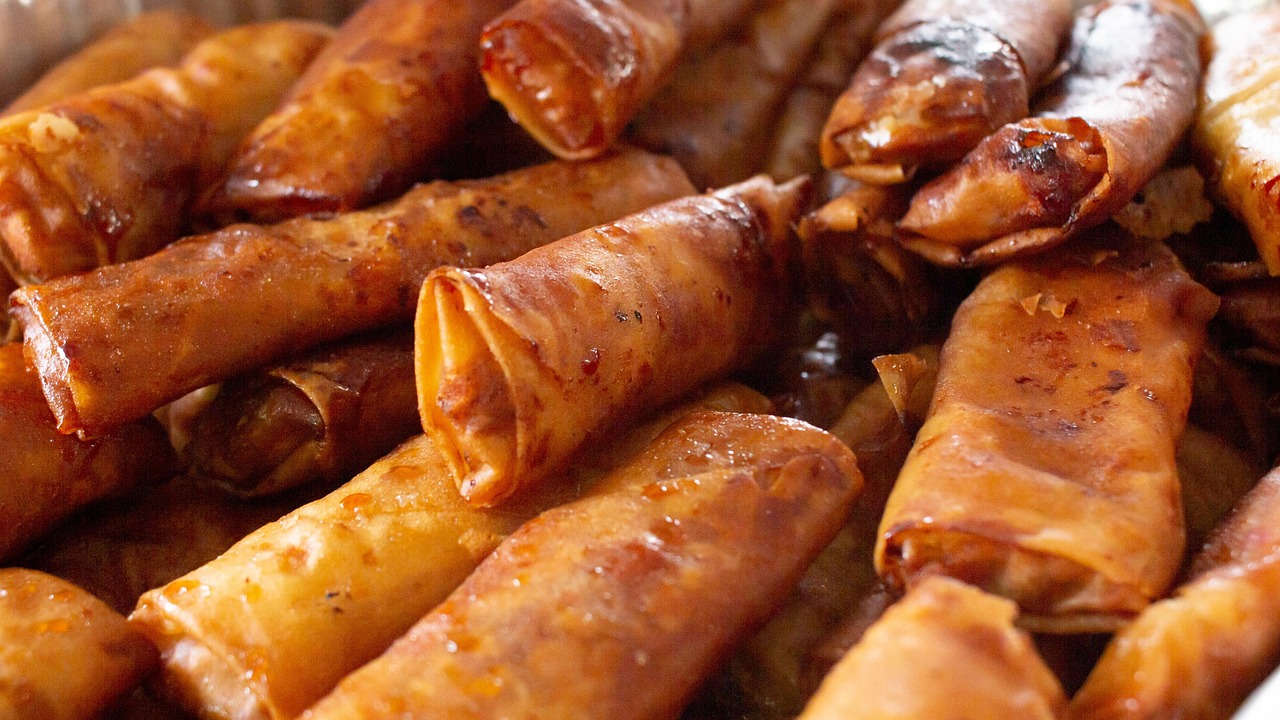
Lumpia (Spring Rolls)
There are many types of lumpia and each one of them gets its own unique name. Lumpiang Shanghai, made with ground beef instead of ground pork, is my favorite. Most of my relatives in the Philippines prefer it as well, but they usually can't afford to use beef.
My wife, Josie, also makes another type of lumpia filled with vegetables and no meat at all. She makes those for vegetarians and other people who avoid meat products.
Adobo (Meat, Vinegar, and Soy Sauce)
There are two types of adobo I've eaten. While I prefer chicken adobo, I don't like it cooked using chicken legs or necks. I like it when boneless chicken breasts or thighs are used. I don't like bones.
Pork adobo is okay, but I'll only eat it when pork chops are used without the bones and fat. There are other types of adobo I've never seen nor eaten. I'm not interested in trying them.
Pancit (Noodles)
There are only two types of pancit that I'm familiar with. While I've eaten pancit canton (egg noodles), I've eaten pancit bihon (rice noodles) on far more occasions.
Since wheat flour is an ingredient of egg noodles, I now avoid both types of pancit. As I mentioned in a previous article, I avoid pasta along with other things, including rice, because my blood sugar is too high.
Afritada and Kaldereta (Stew)
I often tell Josie the only difference in afritada and kaldereta is that kaldereta contains liver paste. After all, beef stew is beef stew, right? Not exactly. Beef isn't always the primary meat ingredient in either dish.
Afritada can use beef, chicken, or pork. Kaldereta can use beef, chicken, goat, or pork. There is another type of stew called mechado that I've neither seen nor eaten.
Torta (Omelet)
Although torta means omelet, I'm not talking about egg omelets used in breakfast food even though eggs are used in tortas. I've had tortas made with corned beef and tuna and Josie's made tortas with eggplants.
Other Filipino Dishes
There are some Filipino items that are included in other dishes, but can be consumed alone or with rice, like longganisa (Filipino sausage) and tapa (cured beef). Bagoong alamang is a shrimp paste that people use like a spread as well as an ingredient.
There are Filipino dishes that I see many people eating, but I refrain from doing so myself. Here are some brief descriptions:
- Kare-kare: Oxtail cooked in vegetables and peanut sauce (I've only seen peanut butter being used)
- Lechon Baboy: Roasted pig
- Lechon Manok: Roasted chicken
- Pinakbet: eggplant, okra, bitter melon, tomato sauce, and shrimp paste (other ingredients added when available)
- Sinigang: Meat or seafood with vegetables in sour broth.
There are hundreds more dishes that even Josie isn't familiar with, and it would take me months or years to experience them all. I'll usually try anything once, and sometimes once is more than sufficient.
Image by Nhick Ramiro Pacis from Pixabay