Controlling My Blood Glucose
Mar 30, 2026
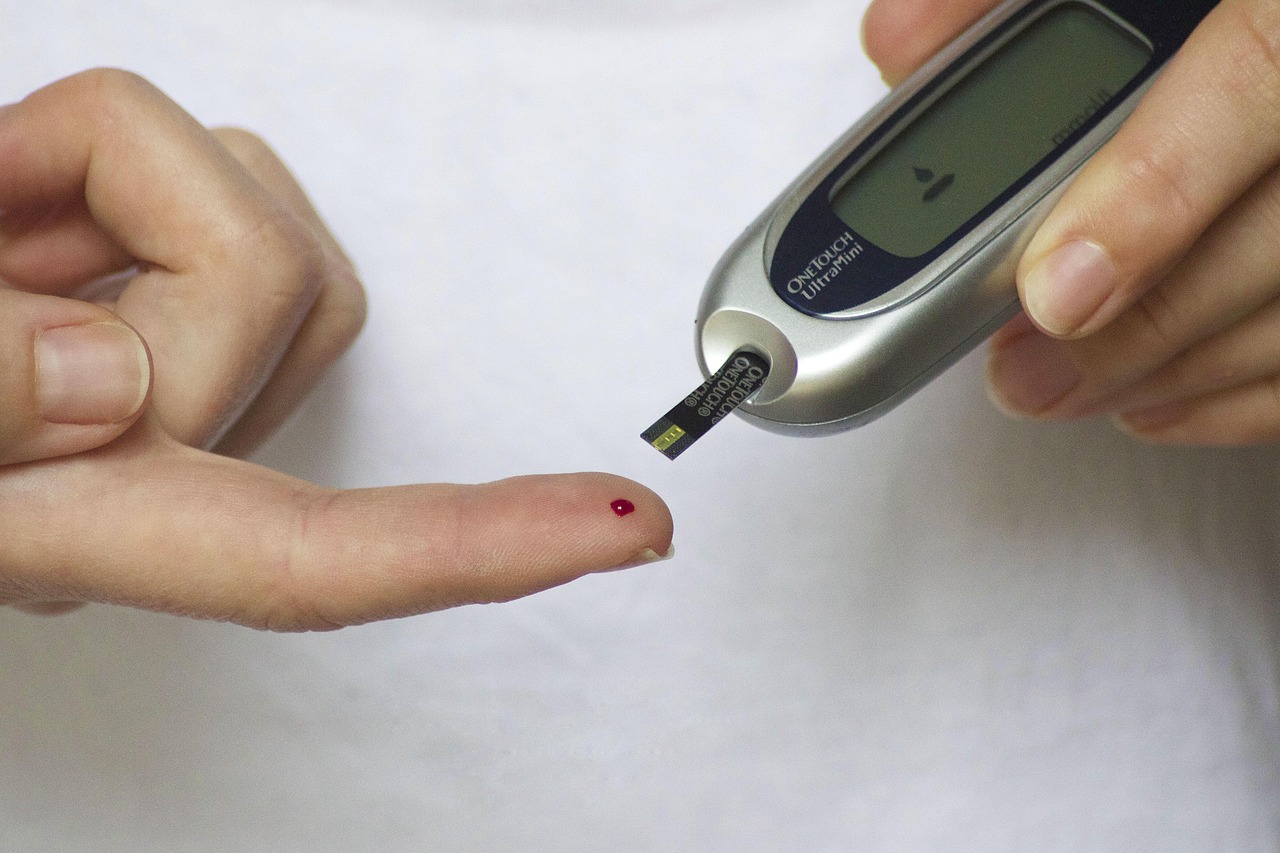
I do a lot of health research because I'm overweight. My blood glucose level will rise above normal if I consume sugary foods or eat foods high in carbohydrates. I'm in my 60s, so I need to constantly watch what I eat.
Some raw plants, including grains, contain resistant starches that won't convert into glucose in the small intestine. Once you cook something with a resistant starch, the starch will become nonresistant.
Bad Information?
When I don't have personal experience with certain types of food, I have to rely on second-hand information. Some of that second-hand information could be false. Such is the case with resistant starches.
When it comes to rice, I was following the advice of a nurse practitioner. Online sources backed it up. Here is one such source: What Is Resistant Starch?
I'm pretty sure it's bad information, but I could be wrong. While I was watching YouTube videos about ketogenic food recipes, I came across videos in which people tested potatoes, rice, pasta, and white bread.
The people doing the tests used glucometers and checked their glucose levels in increments. No matter which one was tested, the glucose level always rose unless it was cooked in butter or an oil with unsaturated fats.
Dietary Changes
The last time I had a blood test, my fasting glucose level was high. My triglycerides were also high. My doctor said I was prediabetic. My wife, Josie, had a blood test a few days later and she was also prediabetic, with high glucose and triglyceride levels.
Both Josie and I use non-nutritive sweeteners when we want something sweetened, like coffee, and avoid food that contains sugar. The problem is carbohydrates, specifically the carbohydrates in rice.
Josie took another blood test after avoiding rice for a month. Her blood glucose level ended up being in the "normal" range. Since we know that "overnight rice" is fairly safe, that's what we eat, but only in the morning. She cooks garlic rice in olive oil.
The best oil for cooking is extra virgin olive oil. It's also the most expensive. This is one expense we choose to embrace. We don't use it for deep frying, of course. There's no need to waste it.
Both of us have stopped eating white bread, and we eat very small amounts of potatoes and pasta, and not every day. Not even every week. Is it making a difference? Probably, but I won't know for sure until my next blood test.
Image by Tesa Robbins from Pixabay