The Health Benefits of Herbs and Spices
Jul 17, 2026
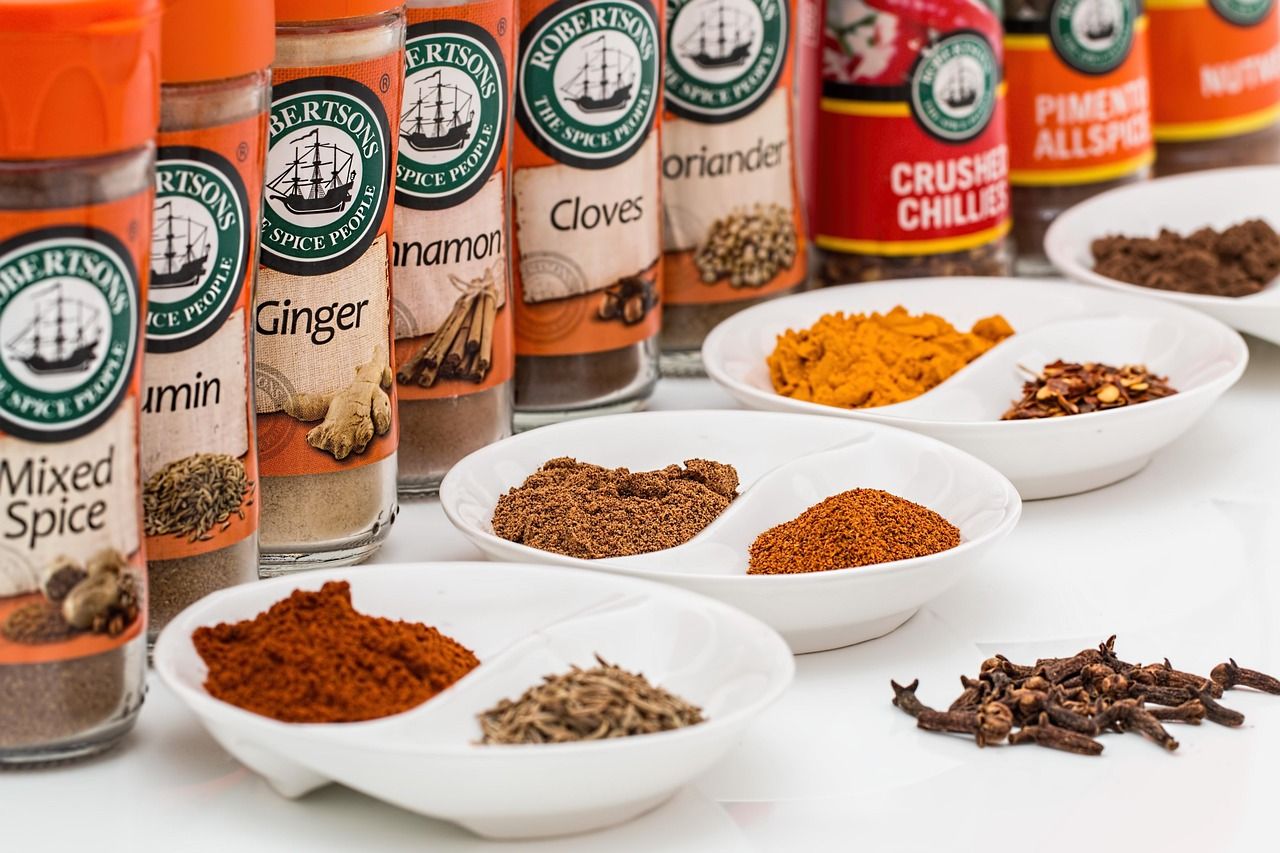
I googled the difference between herbs and spices, and Google's AI overview offered up this gem:
"Herbs are the fresh or dried leafy green parts of a plant, while spices are made from other parts like the roots, bark, seeds, and flowers. Generally, herbs offer subtle, delicate flavors, whereas spices pack stronger, more pungent, and earthy profiles."
It didn't say something that was obvious to me. Some herbs are also spices and vice versa. Information about all of this is abundant if you're willing to spend some time doing the research.
These plants can cure or slow conditions and diseases, and some of them are already commonly consumed. Although they may not be able to help us live longer, our quality of life can be maintained well into old age.
Cancer
Although there isn't a cure for cancer, certain herbs and spices can be used to fight it or prevent it. The National Foundation for Cancer Research mentions several that can be used to treat cancer. I already eat things that contain most of them, but not often enough.
The yellow mustard I put on my hot dogs contains turmeric. While I don't like the taste of garlic alone, most of the Filipino cuisine I consume has some added to it. The only time I purposely eat ginger is when I eat it with congee (rice porridge).
I use black pepper with many dishes, especially with eggs. The reason I love buffalo wings is that the hot sauce contains cayenne pepper. I only consume oregano in my spaghetti sauce.
I don't have any experience with allspice, saffron, thyme, or lavender, although I've probably consumed all of them at one time or another. My father died of multiple myeloma when he was 85. I'm trying to incorporate all of these herbs and spices to ensure I don't suffer from anything like it.
Hypertension
The National Library of Medicine mentions several herbs and other plants that can alleviate hypertension. I suffer from hypertension, and I'm interested in incorporating as many as possible in my daily diet. I would much rather lower my blood pressure naturally than take the medicine I take every day.
Of all the items mentioned, I only consume a few of them regularly. I try to eat oatmeal as often as I can. Garlic can work with hypertension as well as cancer. I eat carrots and celery when I eat salads, and not regularly enough. Although I love tomatoes, I tend only to eat them with salsas and sauces.
Other Plants
I haven't touched on many of the plants that some people think can cure almost anything. Some have antiseptic qualities. Folk medicine, practiced in the Philippines as well as other Asian countries, includes plants I would never willingly consume.
Regardless of what they taste like, I'm willing to try anything researchers have proven to fight the conditions or diseases that may plague me over the course of the next 20 to 25 years.
Last month, I started creating concoctions promoted by influencers online. One I consume in the morning and the other after dinner, but not every day. It's difficult to change habits established over a lifetime.
I add collagen peptides and cinnamon to my morning coffee. Sometimes, in one cup. I add ginger, garlic, turmeric, black pepper, apple cider vinegar, olive oil, and honey to a glass of water in the evening. Again, I don't do this every day.
I'll continue to consume these drinks for another month or so just to see what happens.
Image by Steve Buissinne from Pixabay