Home Electronics Protection
Jun 10, 2026
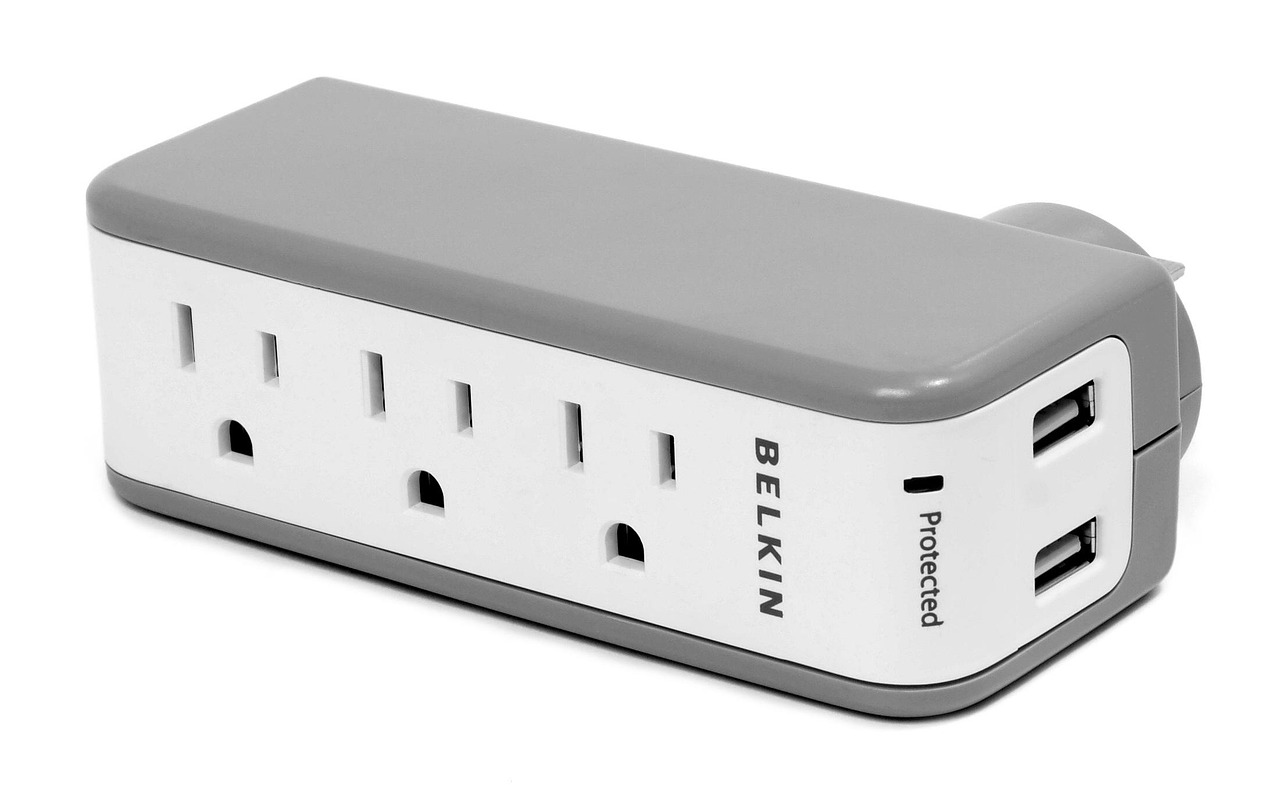
When I lived in the United States, I never had to worry about protecting any of my electronic devices, other than my computers. My computers were connected to a surge protector and an uninterruptible power supply (UPS).
In the last 14 years I lived there, I only experienced one power outage, and it was for less than two hours. The surge protector fuse never popped out.
After I moved to the Philippines in 2006, I discovered the local electricity supply was unstable. Never mind the unannounced brownouts lasting for hours at a time. I'm not going to mention anything about the years when we had a 110-volt line. We don't have it anymore.
When lightning destroyed the transformer that controlled it, the electric company chose not to replace it. They only guaranteed a 220-volt line. I now use surge protectors and a UPS for my computers, and automatic voltage regulators for everything else important.
Surge Protector
For desktop computers, televisions, and other electronics like them, you should use a surge protector at the very least. Its purpose is to prevent higher than normal voltages from burning out the power supply.
Good surge protectors have fuses that can be reset. A power bar doesn't, and it's only used for multiplying outlets. It can sometimes be visually mistaken for one type of surge protector.
Automatic Voltage Regulator
An automatic voltage regulator (AVR) maintains a steady voltage, which is usually 110 in the United States and 220 internationally. The type I buy in the Philippines usually has three 220v outlets and one 110v (or 100v) outlet, and is designed for computers.
An AVR has surge protection built in while regulating the voltage. Unlike a surge protector, it also protects from sags (too little voltage). I use one for any expensive electronics that I can't afford to replace.
Some of my appliances are 110v from the United States, but I can't use the same type of AVR. Because of the high wattages they use, I need an AVR that handle at least 2000 watts. I have a couple of electric appliances I can't use until I buy one.
Uninterruptible Power Supply
A UPS combines the features of a surge protector and an AVR while providing a short-term battery backup. All of these electronic protection devices serve one general purpose: To protect your electronics from the effects of an unstable electricity supply.
Much depends on factors beyond the electric company's control. Improperly grounded homes, old wiring, and a vast array of other problems can create unstable electricity reception.
Devices with batteries are different. The electricity coming from an outlet is alternating current (AC), while batteries supply direct current (DC). An adapter converting from AC to DC acts as a kind of buffer in itself, but the adapter itself can burn out.
While surges and sags aren't much of a problem for mobile devices, you can never be too sure. If you leave a laptop plugged in, it's not using the battery.
Laptop Adapters
This is something I never thought about until the laptop adapters for two of my nieces burned out. I knew we had unstable electricity because I've had wall outlets tested at various times with a voltmeter, but I didn't think it would affect laptop adapters.
I bought replacement adapters and automatic voltage regulators for them, and their parents reimbursed me. Unless they choose not to use the automatic voltage regulators, the new adapters should last as long as the laptops.
I'm Paranoid About Electronics
I have a UPS plugged into the wall outlet, with a surge protector plugged into it. The power cables for the computer and some computer speakers are all plugged into the surge protector. The most expensive item in this chain is the UPS, and it only cost me around $22.
The whole point of all of this is to not only protect my electronics but to keep the costs of replacing my electronics to a minimum. I'd rather replace a $5 AVR than a $500 TV. Speaking of televisions...
A year or so before I left the Philippines in 2018, someone "borrowed" the AVR for the TV in the living room. Within a month, I found myself unable to turn it on. I hired some television repairmen to fix it, and it didn't cost much.
The point is, it didn't take a month for our unstable electricity supply to damage its power supply.
Image by WikimediaImages from Pixabay