Mobile Phones
Apr 5, 2026
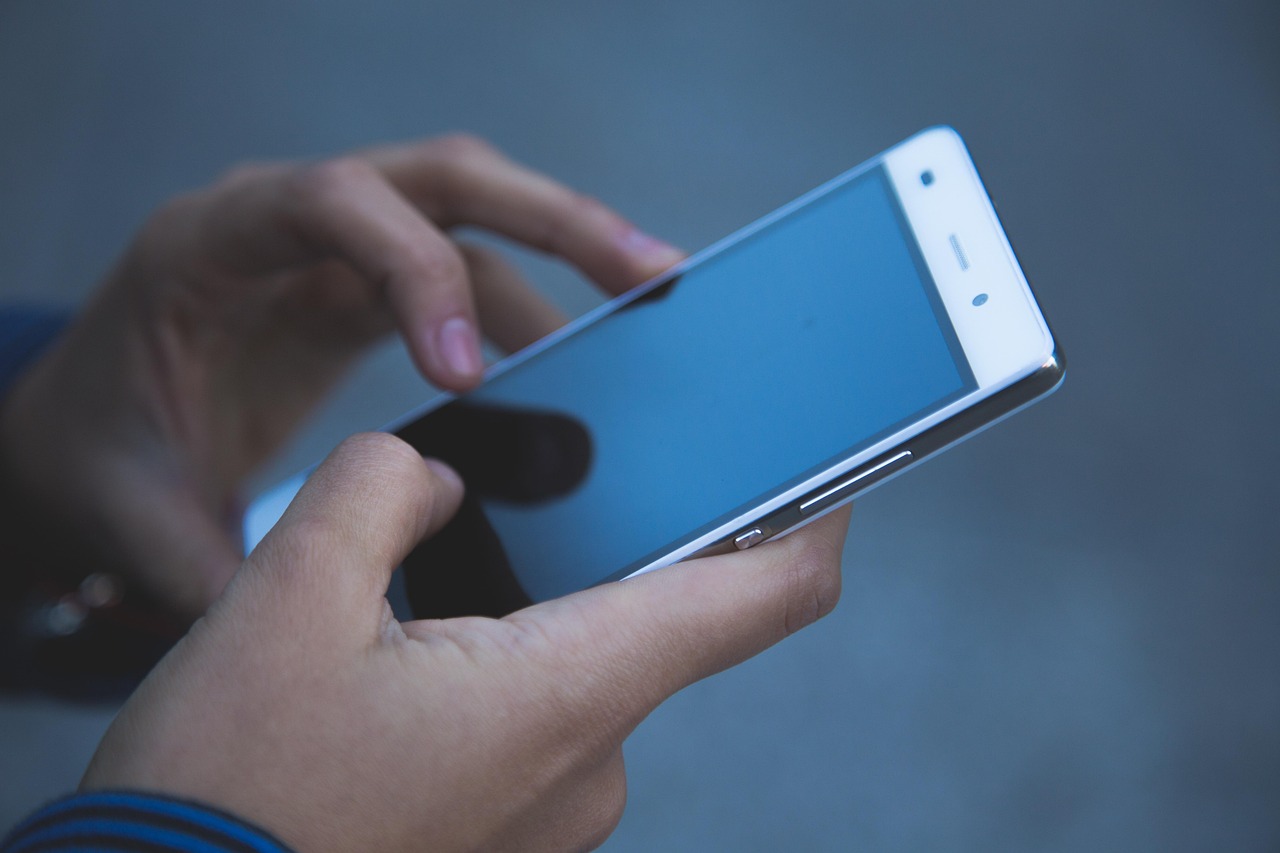
Mobile phones have come a long way since they became affordable to consumers in 1992. Before Apple launched the iPhone in 2007, people used phones for voice calls and text messages.
I avoided using mobile phones for as long as possible while I was living in the Philippines. There wasn't anyone I needed to call or receive calls from. Eventually, online shopping forced me to have one.
Phone Services
The only real reason we're still using phone numbers to communicate is because not enough people have adapted to the easier and less expensive alternatives. You can use your mobile phone with any Internet service provider, not just a telecommunications provider.
People are increasingly using Voice over IP through services like Facebook's Messenger, Line, Signal, and Viber. All you need is an Internet connection. The legacy telecommunication providers are dragging their feet in this matter, obviously.
I use two telecommunication services these days, Tello in the United States and Smart in the Philippines. There are two SIM cards in my phone. I have to turn the Tello card off at night in the Philippines because telemarketers from the United States will wake me up.
I spend less than $20 per month for both services combined when I'm in the Philippines because I only use Tello with Wi-Fi calling. I still spend less than $30 when I'm in the United States. All of my relatives in the Philippines contact me through Facebook Messenger.
Mobile Phones Promote Bad Behavior
If someone knocked on your door in 1990 and asked to use your phone, it meant coming inside and using your landline. Today, people won't even knock on your door. They'll just ask to use the phone you're carrying (and probably with your face buried in one social network or another).
When we used landlines, it wasn't expected that we'd always be available. It was considered rude to call people when they were sleeping (or should be sleeping). Today, it seems we're expected to be available 24 hours a day.
On the flip side, some people won't answer their phones at all, even when courtesy is in play. Mobile gamers--and I know two of them very well--won't answer calls because it would interrupt their games.
Of course, some people aren't rudely ignoring their phones. My wife, Josie, doesn't carry her phone with her anywhere. She can't answer unless she's in the same room.
It's a shame when people sit down together and end up spending more time on their phones than talking to each other. It's also a shame when people walk on the street, oblivious to traffic, with their head buried in one app or another. I call them cell phone addicts and cell phone zombies.
Using My Phone
Communicating by voice and text message is only a fraction of what I use my phone for. I use it for banking, online shopping, watching videos, listening to music, and playing card games. Using my phone is more convenient than using my laptop or desktop computer.
There is plenty of online content I can download to my phone. It's much more convenient than a laptop when I'm traveling, especially by plane. It doesn't matter if there's a time limitation. It only has to last me a couple of days.
Unlike Josie, I carry my phone with me almost everywhere. When Josie doesn't answer her phone, our relatives will inevitably call my phone. Sometimes, they won't even bother to call her and will call me to talk to her.
I sometimes spend more time looking for her than doing the things I should be doing. There's more information available on my phone than some physical libraries. When I need to learn something, I can spend hours doing research without having to leave my home.