Fragmented Streaming Services
Mar 14, 2026
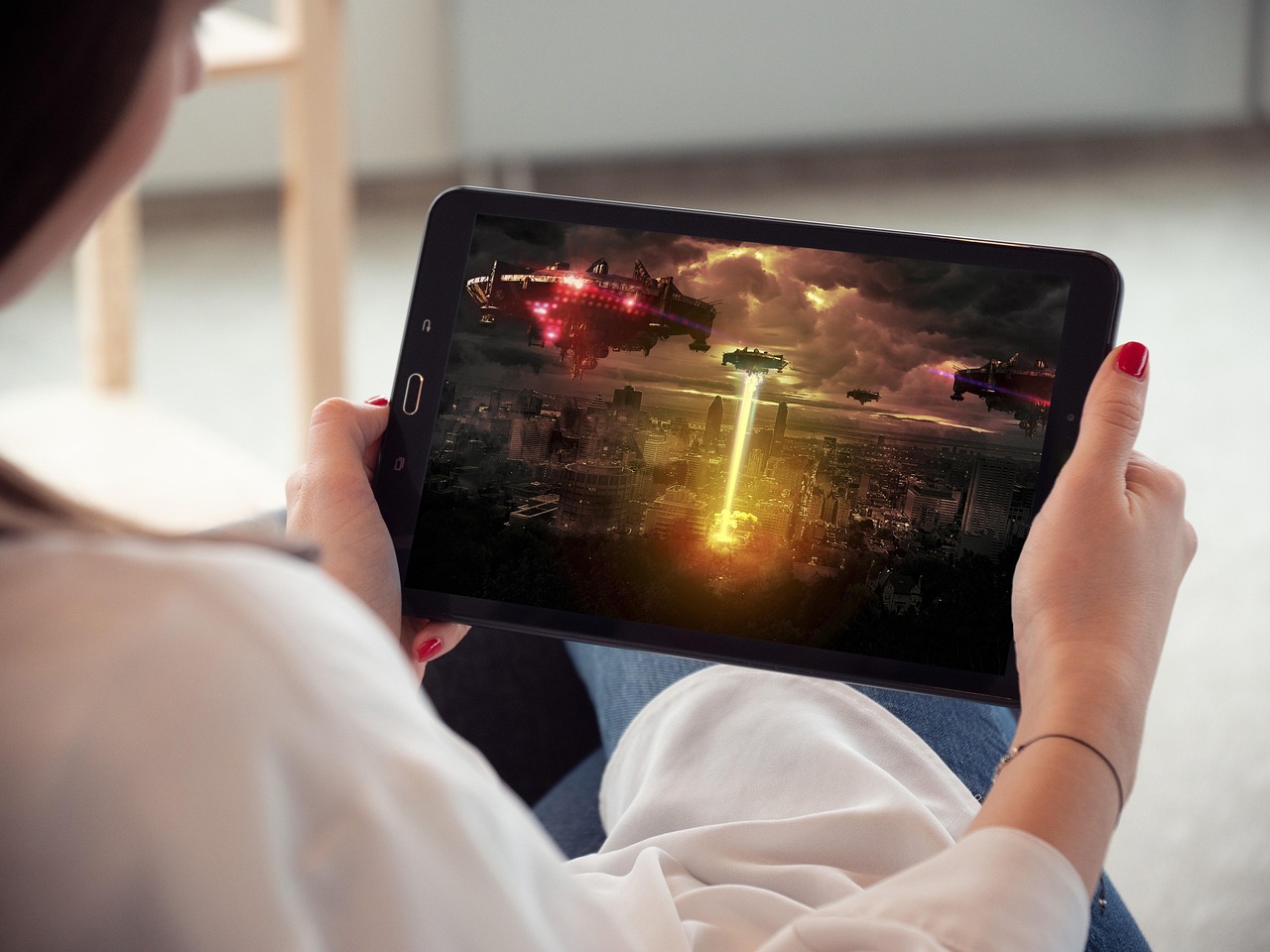
There was a time, during my lifetime at least, when the only entertainment choices were radio, broadcast television, and movie theaters (also called cinemas and drive-ins). My parents were adults before television became a thing.
We could listen to radio almost anywhere, but with television, there were usually only a few broadcast stations for certain regions. If you've seen the "X-Men: Days of Future Past" movie, you can understand what I'm talking about.
The period depicted was 1973, and I was 12 or 13 years old back then. Although cable television was available back then, I didn't experience it until 1980. For a period in the 1990s, my family got our entertainment from satellite services.
Before that period and even during that period, we rented DVDs from Blockbuster until Netflix's DVD-by-mail service came along.
When Streaming Services Began
Netflix launched the first major, widely adopted video-on-demand streaming service for movies in 2007. My wife, Josie, my younger son, Jon, and I were living in the Philippines at the time, and Internet services were still stuck at under one-megabit speed.
We didn't experience any kind of streaming service until 2018, when we were visiting our older son and his family in Florida. As far as I can remember, no streaming services became available in the Philippines until much later than anywhere in the United States.
There are several now, but I don't feel like using them. The only things I subscribe to is YouTube Premium and on occasion, Spotify. During the era when cable television was dominant, subscribers became frustrated.
They were required to pay for cable channels they never watched as part of their standard packages. Cord-cutting, mass cancellation of cable and satellite subscriptions, became a thing when Netflix subscription rates were low.
Streaming Services Today
There are more streaming services today than I can even remember the names of. Other corporations saw what Netflix was doing and decided to control their own pieces of the pie, leading to serious fragmentation.
If you subscribe to several, you'll pay more than you ever did for cable without Internet. Cinema tickets hover around $10 per person in the United States, and it's only a little less expensive in the Philippines.
Subscribing to one streaming service at a time is still less expensive than going to the movies once a month. That's the secret, one at a time. Subscribe to whatever service is providing what you want to see in a given month.
When that's over, unsubscribe and then subscribe to something else. It requires planning and websites like TVmaze.com and JustWatch can help with that.
Some streaming services are much less expensive in the Philippines, especially if you only use a mobile phone or tablet (which is most people in the Philippines, unfortunately).
Since I have a VPN, I prefer to watch free streaming services while connected to the United States when I get the rare itch to do so.
Image by Frank Rietsch from Pixabay