Street Vendors in the Philippines
May 8, 2026
Despite what you may hear from other foreigners, some street food in the Philippines is as good as what you would find at any American backyard barbecue. I'm being generous. There's probably more food to avoid than not.
Various Kinds of Street Food
I can't tell you about all the street food, only what I've observed being sold. And that's only in places very close to my house in Olongapo. I don't actively seek any of it out.
I only know what I know from my experiences in a few different areas, all in Olongapo. Still, I can't name some things I've seen. I rarely buy anything for myself from street vendors, but others in my extended family do.
Chicken Parts
Filipinos won't let any part of the chicken go to waste, except for the feathers. They use every other part in some type of dish. The same goes for pigs, but I can't tell you what they discard.
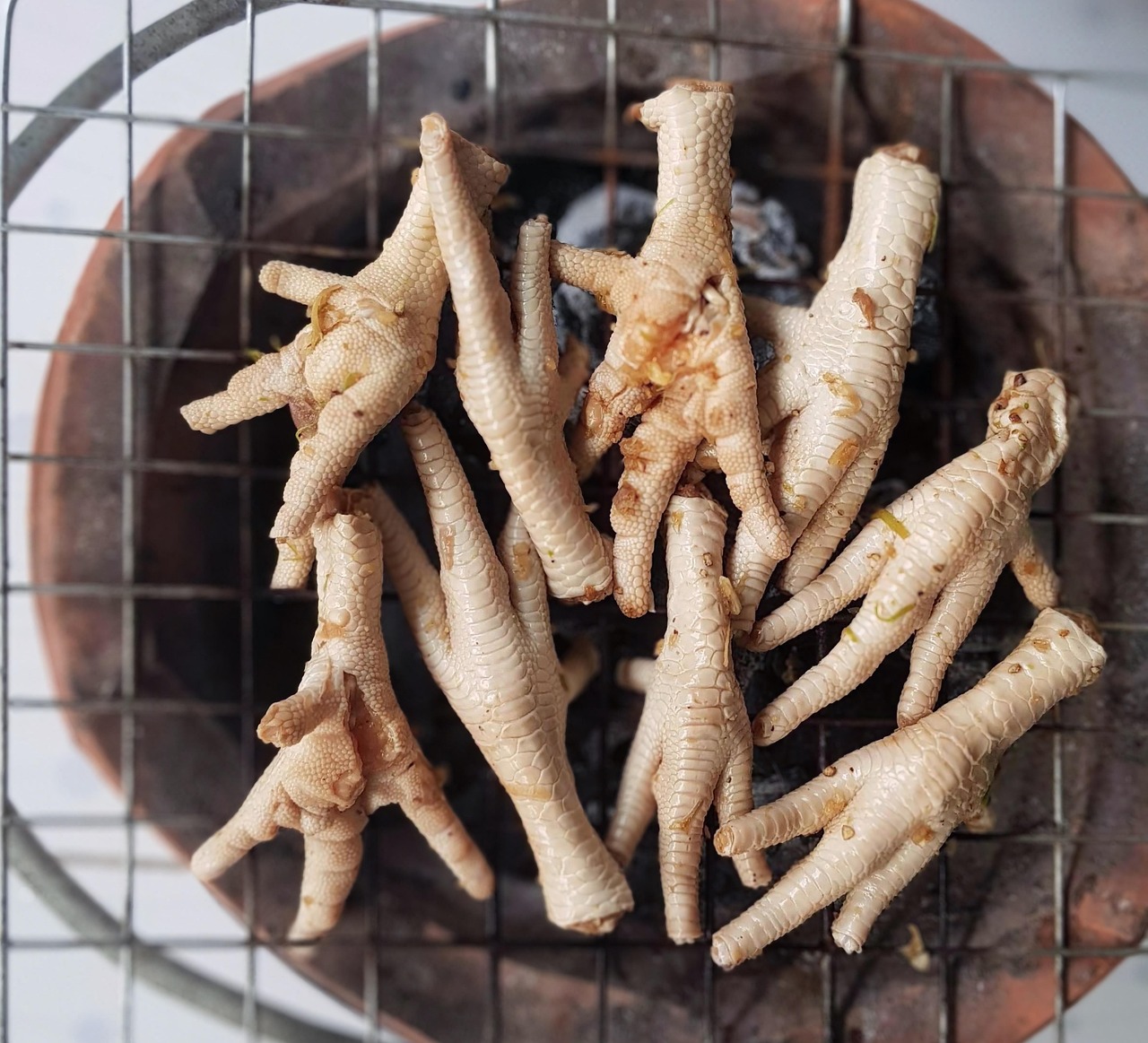
My wife, Josie, and I used to buy barbecued chicken from various neighborhoods near us. I wouldn't eat chicken feet, chicken heads, or chicken intestines (isaw). Chicken feet also have a slang term associated with them, "adidas", named after the footwear brand.
Barbecue on a Stick
The Japanese version is smaller and only involves chicken. It's called "yakitori". The Filipino version is bigger because the sticks are bigger. The Filipino version can involve pork and other types of meat.
When I was in Olongapo in the eighties, street vendors would shout out "monkey meat". It was never monkey meat. I don't doubt monkey meat is indeed used in some areas of the Philippines, but not in Olongapo.
Fish Balls and Squid Balls
When my younger son, Jon, was going to college, he loved fish balls and squid balls. I don't know what they're called in Tagalog, but they're not really balls.
They're round and flat and contain very little of anything. The outer shell is made of flour. There are other similar kinds of food that aren't even round.
Taho
"Taho" is a snack food made of soft tofu (soybean) covered in a sweet syrup of some kind, and it's served warm at an inexpensive price. It's normally the children (nieces and nephews) who want it, and I used to keep 5-peso coins in my pockets for those who might be around.
I don't do that anymore because all those children are older teenagers and adults now. In all the time I've spent in Olongapo, I've only seen one street vendor selling taho, and it's only in the neighborhood I live in, and only in the morning.
Street Food Is Inexpensive
That's why it's so popular in the Philippines. As an example, you can buy two pieces of barbecued chicken for less money than at any fast-food restaurant. It's also less expensive because you don't have to travel by vehicle to get it.
Compared to everyone else in my neighborhood, I eat very little street food. I always have sufficient food stocked in the house. Josie and I both have to be lazy to cook or be starving to buy off the street.
When my younger son was in the Philippines, it seemed like he ate food from street vendors more than anywhere else, even though there was sufficient food at home (and it was probably because he was rarely home for more than just sleeping).
Street Vendors Sell More Than Street Food
I'm talking about those who don't sell what I call street food. Regardless, anyone selling anything on the street is simply trying to make a living. The vendors who sell fish go to different places in the early morning to get their supply of fish.
They then sell the fish street by street and door-to-door. They shout the word "isda" (fish), for hours as they walk by. A brother-in-law's wife (a "bilas" of mine) sells fish also, but only stays in one place.
Some vendors sell dried fish as well (or only dried fish), but the fish are yelled out by type, such as "daing" or "tuyo". Frankly, I can't remember all the names, and I've given up trying to discern what they're shouting most of the time.
Ice Cream
There used to be a street vendor with an ice cream stand attached to a motorcycle. He wound his way from neighborhood to neighborhood in the late evening, usually an hour or two before it got dark.
Again, it was normally the children who begged for money to buy ice cream cones, and if I had any loose change, I would often cough it up. I haven't seen that guy since we returned to the Philippines in 2022.
Other Items
The number of vendors who shout out what they're selling seems to happen a lot less these days. I used to hear "puto" (a sweet rice cake) and "pan DE sol" (as the bread was pronounced for emphasis) but I rarely hear either anymore.
While standing outdoors, I saw vendors selling various fruits and vegetables without shouting. The products could be anything from mangoes to malunggay (moringa in other places) leaves.
There's something I don't understand at all. I've seen vendors carrying furniture, bedding, and rugs on their backs and attempting to sell them door-to-door. The furniture is commonly in the form of cheap plastic chests of drawers and things like that.
Image by Buy me a coffee, please Buy me a coffee, please from Pixabay