Controlling My Starch Consumption
Jul 10, 2026
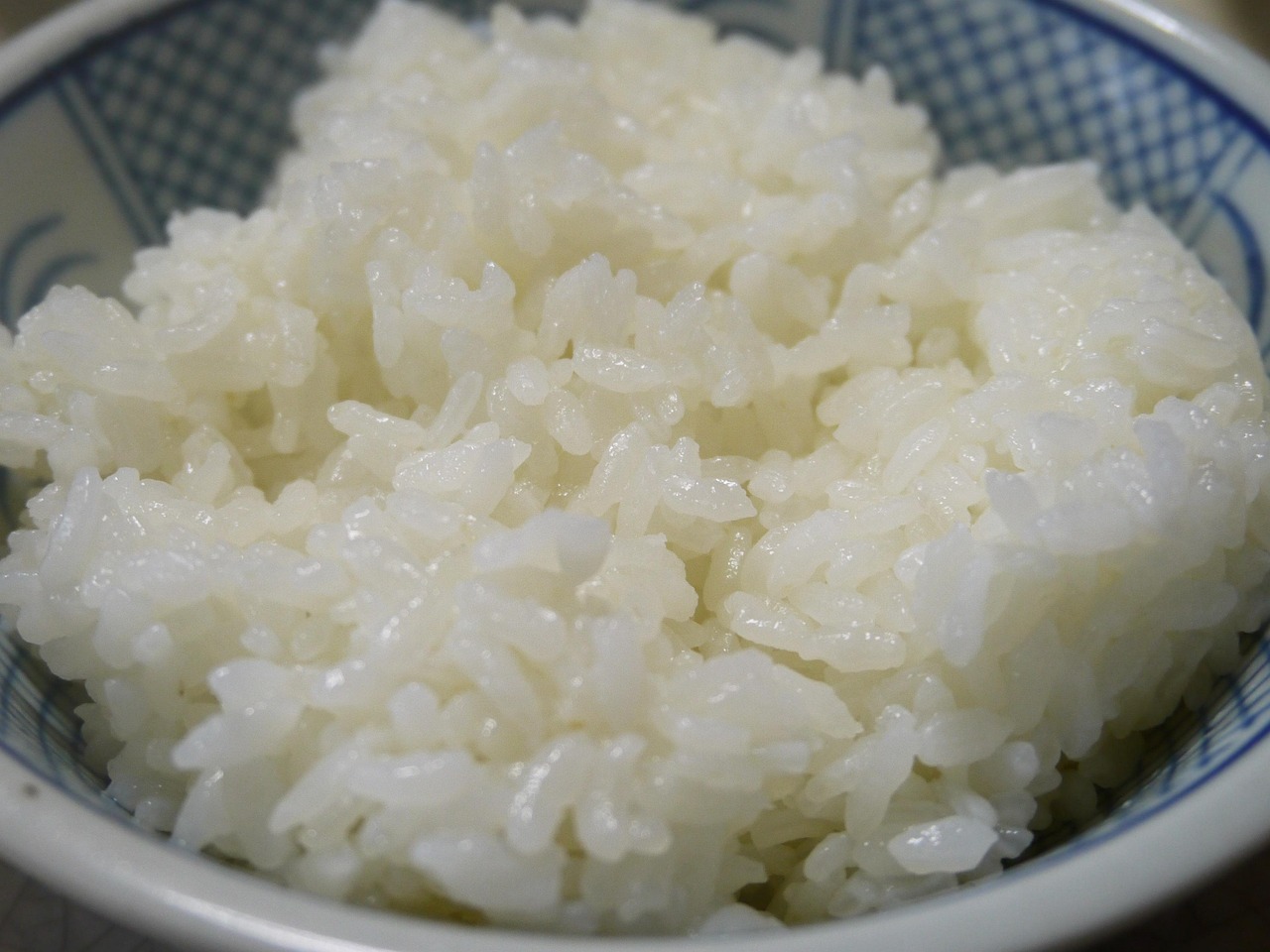
Since March of this year, I've been working on controlling my blood glucose. I've been successful in reducing how much nonresistant starch I've consumed, and I want to start consuming even less.
Starch is a form of carbohydrate. It can be either resistant or nonresistant. When we consume resistant starch, it behaves like fiber.
Conversion from Nonresistant Starch to Resistant Starch
The largest amounts of nonresistant starch exist in grains after they've been cooked. Specifically, rice, wheat, potatoes, and corn. Numerous articles exist to explain how to convert most of that starch to resistant starch.
The short version is to take your cooked rice, cool it overnight in the refrigerator, then cook it again later. It sounds like magic, but it's just chemistry. Not all of the starch converts, so articles about it can be misleading.
I rarely eat bread, but the bread I eat is whole wheat. Putting the bread in the refrigerator is something I have always done since it makes it last longer before molding and also keeps the ants away. I don't even have to reheat it unless I'm using it for toast.
The hash browns I buy are precooked and frozen. I keep them in the freezer until I reheat them for breakfast. Although spaghetti is made from wheat, I rarely eat it. I rarely eat corn.
Replacement Instead of Conversion
It's easier, at least for me, to simply replace foods with starch with those that don't have it in the first place. I recently started replacing rice with "shiritaki rice", which is made from the root of the konjac plant. My wife, Josie, has already successfully made garlic rice (sinangag) with it.
I know I'm supposed to avoid red meat, but I really want to try it with corned beef. In the last month, I've only had SPAM a couple of times, and no other forms of red meat. I'm eating more fish and chicken than I ever have before, so I think I'm doing pretty well.
Image by Mamoru Masumoto from Pixabay